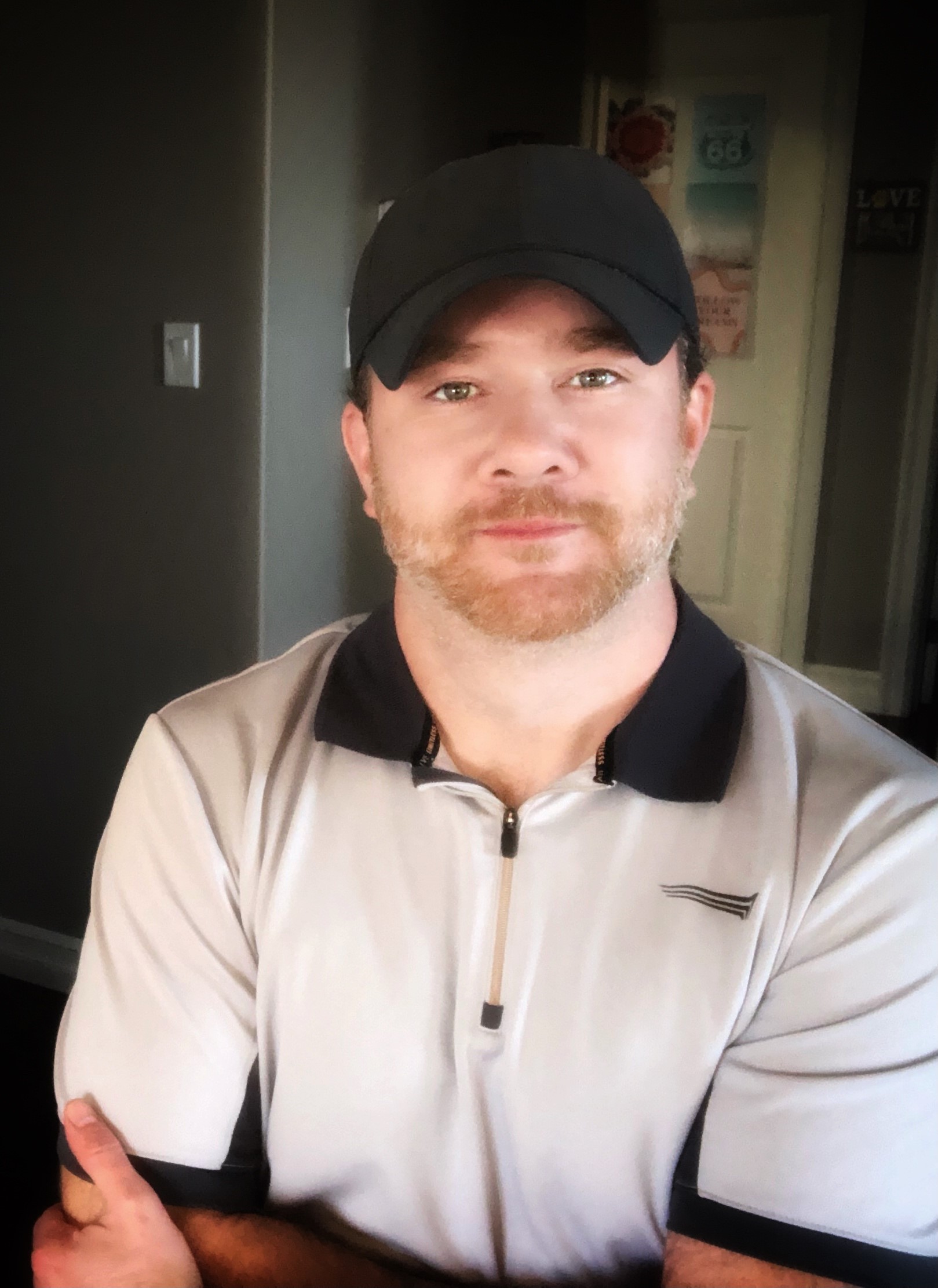
For Keith Rickert of Paradise, a game of ball hockey in 2007 changed everything. What followed was a remarkable cardiac journey, from being given a five per cent chance of survival to receiving a new heart and a second chance at life.
Keith’s cardiac journey began without warning.
In 2007, while playing ball hockey in St. John’s, Keith went into cardiac arrest as a result of a previously undiagnosed electrical disorder. He was placed in a medically induced coma and cooled to help protect his body and brain. His family was told he had just a five per cent chance of survival.
About a week later, Keith woke up.
“I woke up and was fine, except they knew something obviously happened with my heart,” Keith recalls.
While he was in hospital, his care team also discovered a leaking aortic valve that would require open-heart surgery. Before proceeding, however, they needed to understand what had caused his cardiac arrest.
After learning where Keith’s parents were from, his physician suspected a genetic heart condition. DNA testing later confirmed that Keith had arrhythmogenic right ventricular cardiomyopathy (ARVC), an inherited condition that can cause dangerous abnormal heart rhythms and affect the heart’s ability to function properly.
Keith underwent open-heart surgery to replace his aortic valve. Just days later, an implantable cardioverter-defibrillator (ICD) was placed to protect him from another potentially fatal cardiac arrest.
It was the beginning of a relationship with Newfoundland and Labrador’s cardiac program that would span years.
Years of Care Close to Home
For the next decade, Keith attended regular ICD appointments while his cardiac team closely monitored his heart.
As he began experiencing heart failure, he became a patient of the Congestive Heart Failure Clinic at the Health Sciences Centre. There were regular appointments with his cardiologist, as well as hospital admissions when electrical problems with his heart required urgent intervention.
Through it all, Keith knew his cardiac team was there when he needed them.
“The care I received from the ICD Clinic and the CHF Clinic was great,” he says. “They were available whenever I called and were quick to bring me in for unscheduled appointments when I needed intervention.”
Sometimes that meant adjusting the settings on his ICD. Other times, it meant changing his medications to help him feel better and remain stable.
“I feel that whenever I needed anything, I could get in to see them and receive the care I needed to help me feel better.”
As Keith’s condition progressed, it became clear that he would ultimately need a new heart.
In February 2017, Keith, his wife and daughter, along with his mother, relocated to Ottawa as he waited for a heart transplant. Even hundreds of kilometres from home, his cardiac team in Newfoundland and Labrador remained involved in his care, communicating with his physicians in Ottawa as they managed the electrical issues he experienced while waiting.
The Importance of Cardiac Care
Today, Keith continues to receive cardiac care and follow-up, and his experience has given him a unique perspective on the importance of having strong cardiac programs here at home.
“People should support our local cardiac programs because there are so many heart-related issues in our province that are treatable and life-extending if caught and treated properly,” Keith says.
He has also seen how advances in medicine, technology, and equipment are changing what is possible for cardiac patients.
“With continued advances in research and technology, treatments and procedures are becoming less invasive with quicker recoveries.”
For Keith, supporting cardiac care is also about ensuring patients and families can receive as much of their care as possible close to home. As a transplant recipient, he knows the challenges associated with travelling outside the province for specialized appointments and follow-up.
His hope is that continued investment will strengthen cardiac services in Newfoundland and Labrador, including expanded transplant follow-up care, reducing the need for patients like him to travel out of province for annual appointments.
Keith’s story is a powerful reminder of what cardiac care can make possible. From the emergency response that helped save his life, to surgery, an ICD, years of specialized heart failure care, and ultimately transplantation, an entire continuum of cardiac care has been part of his journey.
And behind that care are skilled physicians, nurses, and health care professionals, supported by the equipment, technology, and resources they need to give patients like Keith more time with the people they love.
Your gift gives cardiac patients more tomorrows.